Why village halls matter for wellbeing
Village halls have long played an important role in rural life. They are places where people gather for celebrations, clubs, meetings and everyday social activities.
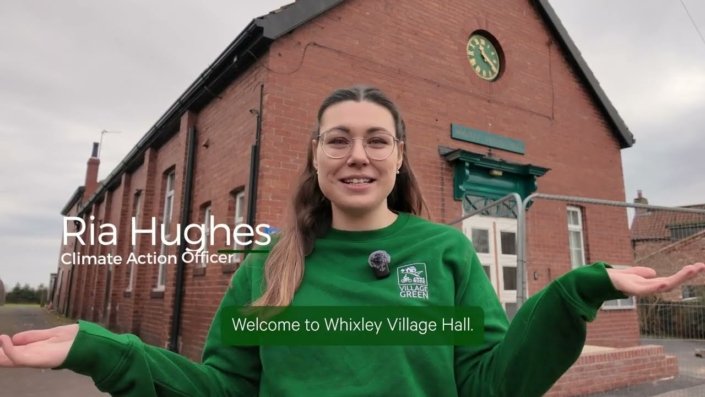
In villages like Whixley, the hall is much more than just a building. It is a space where people connect, support each other and build a sense of belonging within the community.
A place at the heart of the community
With around 800 residents, Whixley sits between Knaresborough and York. The village hall is one of the few places where people can come together for events and activities.
For many villages, there are limited public spaces available. Without a church hall or other community venue, the village hall often becomes the focal point for social life.
That means everything from local meetings to exercise classes, celebrations and community events can take place under one roof.
Activities that support wellbeing
Regular activities play a key role in supporting wellbeing. Whether it is yoga, Pilates, badminton, dances or quizzes, taking part in shared activities can bring both physical and mental health benefits.
As well as keeping people active, these activities create opportunities for social interaction. Spending time with others, sharing interests and simply having something to look forward to during the week can make a big difference to how people feel.
Helping people stay connected
For some residents, especially older people who may live alone or no longer drive, village halls can provide an important social lifeline.
Neighbours often help each other get to events, offering lifts and encouragement so that everyone has the opportunity to take part. In this way, the hall becomes a place where community support naturally grows.
Helping to organise events or volunteering at a village gathering can give people a sense of purpose and connection.
The power of shared spaces
Many people find that simply being involved in the running of community events helps them through difficult times. Volunteering, helping with activities or just being around others can offer valuable support.
Village halls provide a welcoming space where people do not have to face things alone. They allow friendships to form, new residents to feel included and long-standing neighbours to stay connected.
A tradition that continues
Village halls have served communities like Whixley for generations. In many cases they have been at the centre of village life for decades, hosting everything from celebrations and dances to meetings and clubs.
While communities change over time, the role of the village hall remains the same: bringing people together.
By continuing to host activities, support volunteers and welcome new ideas, village halls help ensure that rural communities remain vibrant, connected and supportive places to live.
About Village Halls Week
Village Halls Week is an annual campaign that celebrates the important role village halls play in rural communities across England, Wales and Scotland.
Taking place this year from 16 to 22 March 2026, the campaign shines a spotlight on the contribution these community spaces make to local life. Village halls provide venues for activities, events, clubs and gatherings that support community connection, wellbeing and local resilience.
Across rural areas, village halls often act as vital community hubs. They host everything from exercise classes and social events to meetings, celebrations and support groups, helping people stay active, connected and engaged in their local communities.
Village Halls Week highlights the work of the volunteers and community organisations who manage these buildings and helps raise awareness of the value they bring to rural life.
March 16, 2026 9:02 am